The Evolution of Wristwatches Through Decades
Wristwatches have come a long way from their early beginnings. Once considered purely functional, watches have evolved into iconic fashion statements, technological marvels, and precision instruments. At House of Watches, we love celebrating the rich history of timepieces while helping our customers find the perfect watch for today. Let’s take a journey through the decades to see how wristwatches have evolved.
Early 20th Century: The Birth of the Modern Wristwatch
Although pocket watches were popular in the 19th century, the early 1900s saw the rise of wristwatches for men and women. Initially considered a women’s accessory, wristwatches became essential for men during World War I, offering soldiers a practical way to tell time in the trenches.
These early designs were simple and functional, with leather straps and small, easy-to-read dials. They laid the foundation for wristwatches as both tools and style statements.
1920s–1930s: Art Deco and Elegant Design
The Art Deco movement influenced watch design with geometric shapes, bold numerals, and luxurious materials. Wristwatches became symbols of style and sophistication, often featuring gold, silver, and decorative engraving.
During this period, ladies’ watches gained popularity as glamorous accessories, adorned with gemstones or delicate detailing.
1940s–1950s: Precision and Innovation
The mid-20th century brought advancements in mechanical movements and durability. Watches were now designed to be reliable under extreme conditions, inspired by wartime innovation.
Iconic models from this era include pilot watches, diver watches, and chronographs — pieces that combined function with elegance, laying the groundwork for modern luxury and sports watches.

1960s–1970s: The Quartz Revolution
The 1960s introduced the quartz watch, transforming the industry with affordable precision and low-maintenance timekeeping. Quartz watches offered unprecedented accuracy, and their sleek designs made them a favourite for both men and women.
This period also saw the rise of fashion watches, with brands experimenting with bold colours, shapes, and materials, reflecting the era’s spirit of self-expression.
1980s–1990s: Technology Meets Style
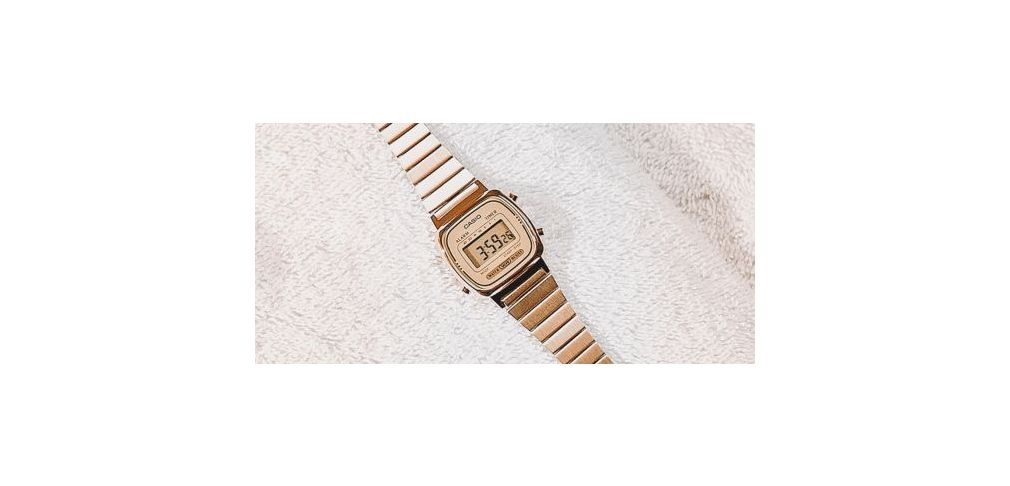
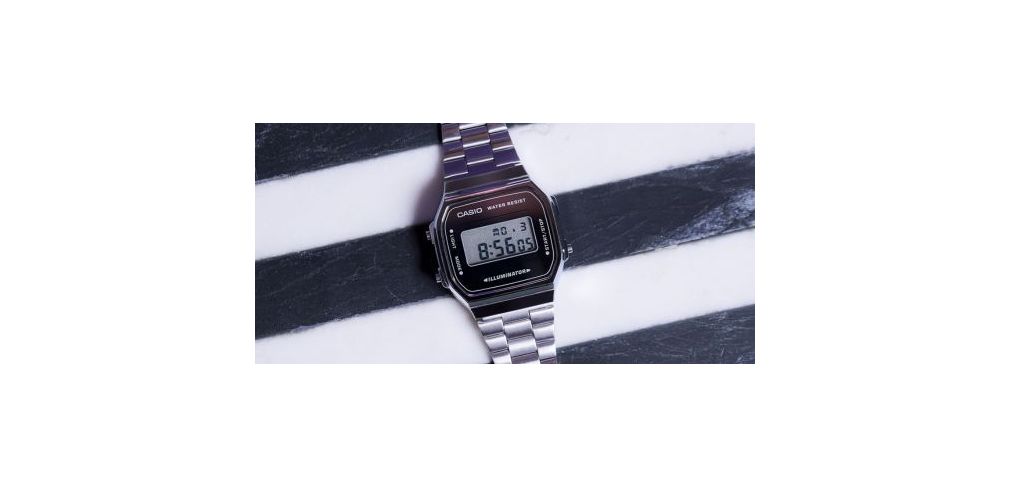
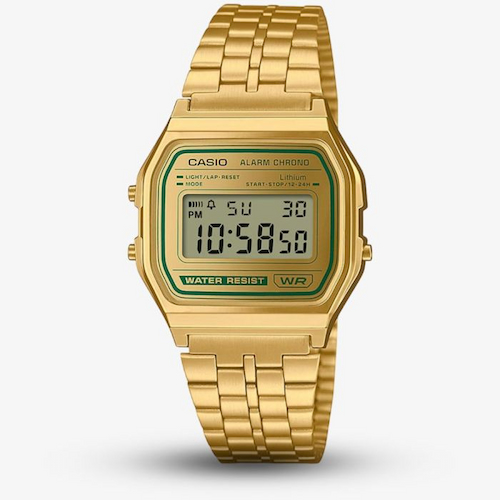
Digital watches became mainstream in the 1980s, combining style with practical features like alarms, calculators, and backlighting. Casio, Timex, and Seiko led the charge, creating watches that were both versatile and technologically advanced.
Luxury mechanical watches continued to thrive, highlighting craftsmanship and heritage, while fashion watches embraced colour, unique shapes, and statement designs.
2000s–Today: Smart Watches and Timeless Classics
The 21st century has brought smartwatches, hybrid models, and connected technology, while traditional mechanical watches remain highly prized for their craftsmanship. Today’s wristwatches can blend classic style with modern innovation, offering everything from automatic movements to fitness tracking in a single device.

Watches have truly become personal expressions, reflecting lifestyle, taste, and values.
FAQs About Wristwatch Evolution
Q: What was the first wristwatch?
A: The first wristwatches appeared in the late 19th and early 20th centuries, initially worn by women. Men began adopting them widely during World War I for practicality on the battlefield.
Q: How did wristwatch technology evolve?
A: Wristwatches evolved from mechanical movements to quartz watches in the 1960s, offering greater accuracy and affordability. Today, smartwatches combine traditional design with modern technology.
Q: What is a mechanical watch?
A: Mechanical watches use gears, springs, and intricate movements to keep time. They require winding (manual or automatic) and are prized for craftsmanship and longevity.
Q: What is a quartz watch?
A: Quartz watches use an electronic oscillator regulated by a quartz crystal to keep precise time. They are low-maintenance, highly accurate, and widely popular.
Q: Why do wristwatches remain relevant today?
A: Despite smartphones, wristwatches are valued as symbols of style, heritage, and personal expression. They combine functionality, fashion, and, in many cases, collectible value.
Q: How can I choose a wristwatch that suits my style?
A: Consider your lifestyle, preferred materials, and design. Mechanical watches suit enthusiasts who value craftsmanship, quartz watches offer reliability, and smartwatches are ideal for tech-savvy users.
Why Wristwatches Still Matter
In an era of smartphones, wristwatches remain symbols of style, precision, and individuality. Whether you prefer a mechanical masterpiece, a modern smartwatch, or a sleek quartz watch, the evolution of wristwatches shows how form and function can evolve while retaining timeless appeal.
At House of Watches, we offer a wide selection of wristwatches across all styles and decades, from classic designs to contemporary innovations.
Explore our full watch collection and find a timepiece that’s perfect for today — and tomorrow.