Are Smartwatches Worth It? Here's All You Need to Know
Smartwatches have become a familiar sight on wrists everywhere, but are they really worth the investment? With features ranging from fitness tracking and sleep monitoring to smartphone notifications and GPS, these clever devices promise to make everyday life a little easier. Yet, with prices varying considerably and traditional watches still offering plenty of appeal, it's fair to wonder whether you actually need one.
The answer largely depends on what you expect from your watch. If you enjoy keeping track of your daily activity, want quick access to notifications or would like a better understanding of your exercise habits, a smartwatch could be a worthwhile addition to your everyday essentials. However, if you simply want something to tell the time, you might not need all the extra technology.
So, are smartwatches worth the money? Let's look at what they offer, where they fall short and what to consider before choosing one.
What Is a Smartwatch and What Can It Do?
A smartwatch is a wearable device that combines traditional timekeeping with digital features, usually connecting to your smartphone to offer additional functionality directly from your wrist.
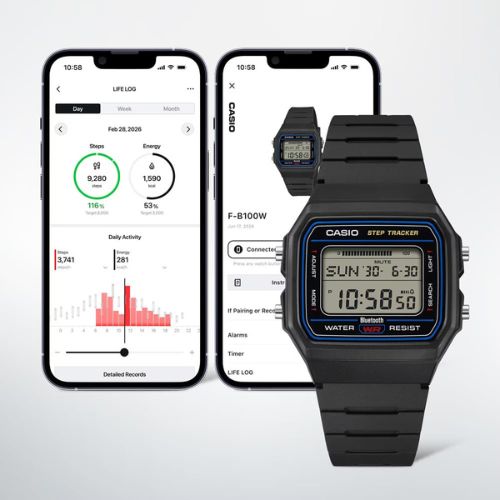
Featured watch – Casio Unisex Digital Black Plastic Strap Smartwatch
Depending on the model, you can use a smartwatch to:
- Receive calls, texts and smartphone notifications.
- Monitor daily steps, distance travelled and calories burned.
- Track workouts and physical activity.
- Monitor heart rate and, on selected models, blood oxygen levels.
- Record sleep patterns and provide insights into sleep habits.
- Use GPS to track outdoor activities.
- Make contactless payments on compatible devices.
- Set reminders, alarms and timers.
Not every smartwatch offers all these features, and functionality can vary between manufacturers and models.
Some watches also take a different approach to connected technology. Hybrid smartwatches, for example, combine the familiar appearance of an analogue watch with selected smart features, offering a more traditional look without giving up every modern convenience.
Ultimately, a smartwatch is designed to bring useful information and everyday functionality closer to you, without constantly needing to reach for your phone.
What Are the Advantages of Owning a Smartwatch?
The biggest appeal of a smartwatch is convenience. Rather than checking your smartphone every few minutes, you can access useful information with a quick glance at your wrist.
However, the benefits go beyond simply receiving notifications.
1. Stay Connected Without Constantly Checking Your Phone
One of the most practical advantages of owning a smartwatch is being able to stay connected throughout the day.
Depending on its compatibility and features, your watch can alert you to incoming calls, messages, emails and app notifications. Some models also allow you to answer calls or respond to messages directly from your wrist.
This can be particularly useful when you're exercising, commuting, working or simply don't want your phone in your hand all the time.
2. Keep an Eye on Your Daily Health Metrics
Many smartwatches include sensors designed to monitor selected health and wellness measurements.
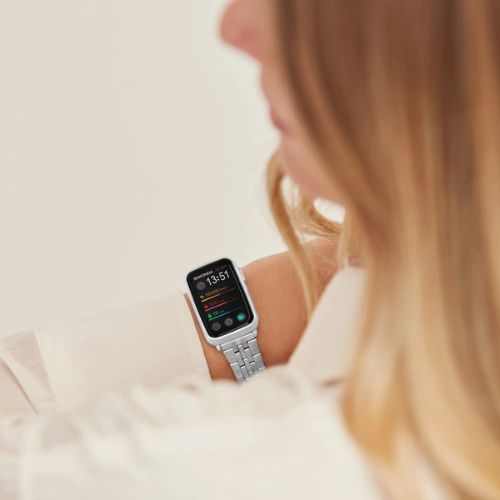
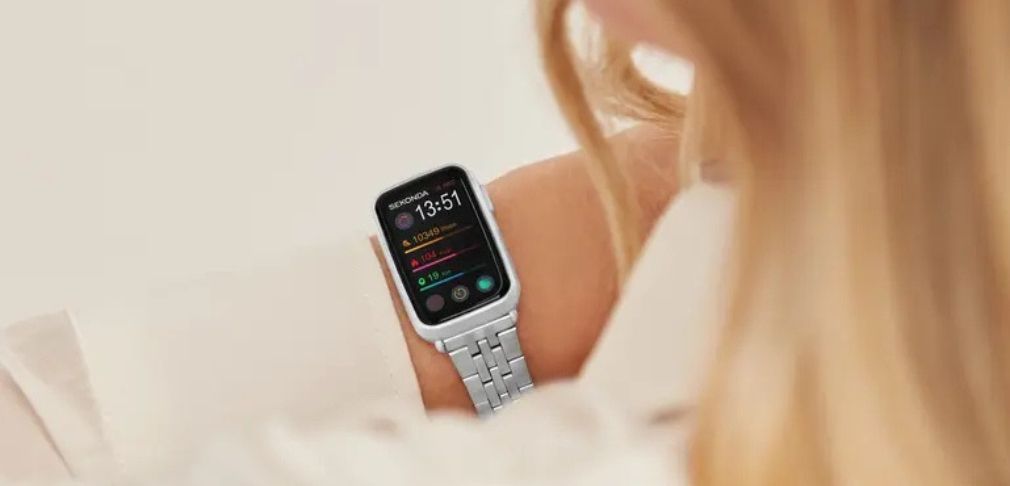
Featured watch – Sekonda Ladies Track Smart Watch
These can include:
- Heart rate monitoring.
- Blood oxygen estimates on compatible models.
- Step counting and daily movement.
- Estimated calorie expenditure.
- Breathing and stress-related insights on selected devices.
Having this information readily available can help you become more aware of your daily habits. For example, noticing that you've spent most of the day sitting might encourage you to take a short walk or introduce more movement into your routine.
It's important to remember that smartwatch readings are estimates, not medical diagnoses. They can support general wellness awareness but shouldn't replace professional medical advice or clinical monitoring.
3. Make Your Fitness Routine More Measurable
If you're trying to become more active, a smartwatch can make it easier to understand your progress.
Many models offer dedicated workout modes for activities such as walking, running, cycling and swimming. Depending on the device, you may also have access to GPS tracking, workout duration, heart rate zones and activity summaries.
Rather than relying on how energetic you feel after a workout, you can review your recorded activity and identify patterns over time.
For someone working towards a particular fitness goal, this can be a useful source of motivation.
4. Understand Your Sleeping Habits
Sleep tracking is another feature that makes smartwatches appealing.
Compatible devices can record estimated sleep duration, movement throughout the night and, in some cases, different sleep stages. Reviewing this information may help you recognise patterns, such as consistently getting fewer hours of sleep than you intended.
Some watches also provide sleep scores or recovery insights, giving you another way to understand your general routine.
While these readings aren't a substitute for a professional sleep assessment, they can be a helpful starting point if you're looking to build healthier habits.
5. Enjoy Everyday Convenience
Beyond health and fitness, smartwatches can make everyday tasks a little simpler.
Depending on the model, you might be able to check the weather, set a timer, control music, navigate using GPS or make contactless payments.
These features might seem small individually, but they can be particularly useful when you're out and about.
Are Smartwatches Worth It for Health and Fitness?
For many people, health and fitness tracking are among the biggest reasons to consider buying a smartwatch.
However, whether they're worth it depends on how much you intend to use these features and what you expect them to tell you.
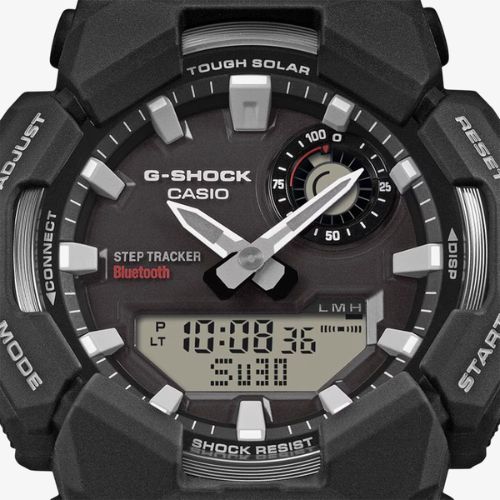
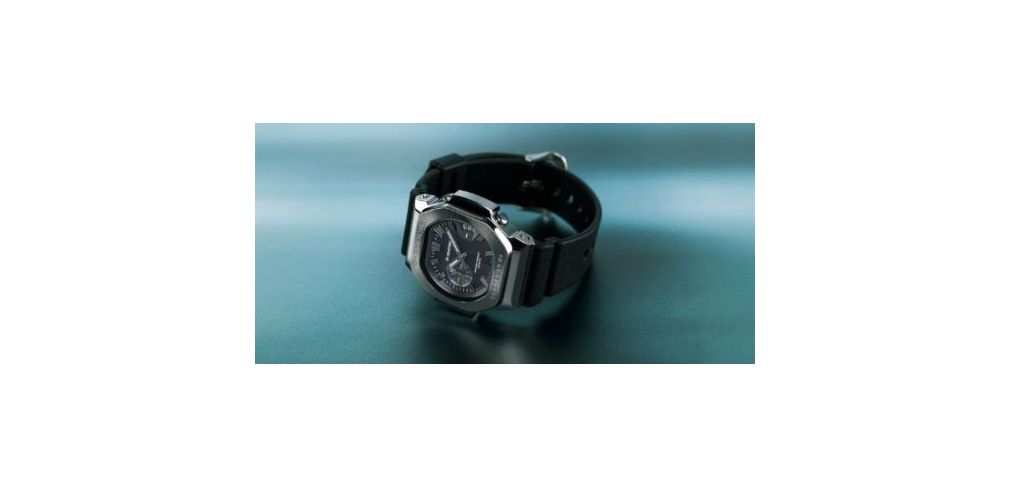
Featured Watch – Casio G-Shock Dual Display Black Plastic Strap Smart Watch
Are Smartwatches Worth It for Health Monitoring?
A smartwatch can be useful for keeping track of certain everyday health measurements, particularly if you want to become more aware of your activity levels and general wellbeing.
Heart rate monitoring, for example, can give you an idea of how your heart rate changes during rest and exercise. Some devices also offer estimated blood oxygen readings, irregular heart rhythm notifications or other wellness-related features, depending on their specifications and regional availability.
The main advantage is being able to observe patterns over time.
However, a smartwatch isn't a medical device simply because it can measure certain health-related metrics. Readings can be affected by movement, sensor positioning, skin contact and other factors.
If you're buying one primarily for health monitoring, check exactly which measurements it offers and understand their limitations.
Are Smartwatches Worth It for Fitness Tracking?
If you exercise regularly or want to become more active, a smartwatch can be particularly worthwhile.
Many models allow you to record different workouts, monitor exercise duration and track your progress towards daily activity goals.
For runners and outdoor enthusiasts, built-in GPS can be especially useful for recording routes, pace and distance without relying entirely on your smartphone.
A fitness-focused smartwatch can also help you:
- Monitor your activity throughout the week.
- Compare workout performance over time.
- Track your heart rate during exercise.
- Set achievable movement goals.
- Review your training consistency.
Garmin is one brand worth exploring if fitness tracking is high on your priority list. Its range includes watches designed around outdoor activities, training and performance tracking.
For example, the Garmin Fenix range offers more advanced sports and outdoor functionality, making it an option for people who want more than basic step counting.
The key is to choose a watch that supports the activities you actually enjoy. There's little point paying for advanced training features if you only want to monitor your daily walks.
How Do Smartwatches Track Sleep?
Most smartwatches use a combination of movement sensors and physiological measurements to estimate your sleep patterns.
An accelerometer detects movement while you're wearing the watch, helping the device identify periods when you're likely to be asleep or awake. Some models also use heart rate and other signals to estimate different sleep stages.
The resulting information is processed by software algorithms and displayed in a companion app.
You may be able to see:
- Total estimated sleep duration.
- Periods of wakefulness.
- Estimated light, deep and REM sleep.
- Sleep consistency and trends.
- Sleep scores on compatible devices.
These measurements can help you understand your sleeping routine, but they aren't as precise as clinical sleep studies. In particular, estimates of individual sleep stages should be treated with caution.
How Accurate Are Smartwatches?
Smartwatch accuracy varies depending on the feature, device and conditions in which it's used.
For example, step counting can be reasonably useful for understanding general activity trends, although arm movements may sometimes affect the results.
Heart rate measurements can also be useful during everyday activities, but accuracy may vary during intense exercise, particularly when movement affects the sensor's contact with your skin.
GPS accuracy depends on the device, satellite reception and surrounding environment. Sleep tracking, meanwhile, provides estimates rather than a definitive picture of what happens throughout the night.
The best way to use smartwatch data is to look for longer-term patterns rather than treating every reading as an exact measurement.
Smartwatch vs Fitness Tracker: Which Is Better?
Although smartwatches and fitness trackers have some overlapping features, they're designed with slightly different priorities.
A fitness tracker generally focuses on recording everyday activity, exercise and selected health measurements. A smartwatch usually offers these features alongside additional connected functionality.
|
Feature |
Smartwatch |
Fitness tracker |
|
Step counting |
Usually available |
Usually available |
|
Heart rate monitoring |
Common |
Common |
|
Sleep tracking |
Available on many models |
Available on many models |
|
Smartphone notifications |
Often extensive |
Usually more basic |
|
Calls and messages |
Available on selected models |
Limited on many models |
|
GPS |
Available on selected models |
Varies |
|
Contactless payments |
Available on selected models |
Available on selected models |
|
Battery life |
Often shorter |
Often longer |
So, which should you choose?
If you want a device that combines fitness tracking with smartphone notifications and everyday convenience, a smartwatch may be the better option.
However, if your main priority is monitoring steps, exercise and sleep without needing lots of additional features, a fitness tracker could be sufficient.
A smartwatch can replace some fitness tracker functionality, but it doesn't automatically offer better tracking or greater accuracy.
How Much Do Smartwatches Cost in the UK?
Smartwatch prices vary depending on the brand, materials, technology and features included.
As a general guide, you can expect to find:
- Entry-level smartwatches: Often around £30–£100, with basic everyday features.
- Mid-range smartwatches: Approximately £100–£400, potentially offering more extensive fitness tracking and connectivity.
- Premium smartwatches: £400 and above, with selected models offering advanced sports features, specialist materials and additional functionality.
These are broad indicative price brackets rather than fixed market categories.
House of Watches offers options across different price points, including more accessible designs from Sekonda and more advanced models from Garmin.
For example, the Sekonda Track offers an affordable way to explore smartwatch ownership, while the Garmin Fenix range caters to those looking for more extensive outdoor and fitness functionality.
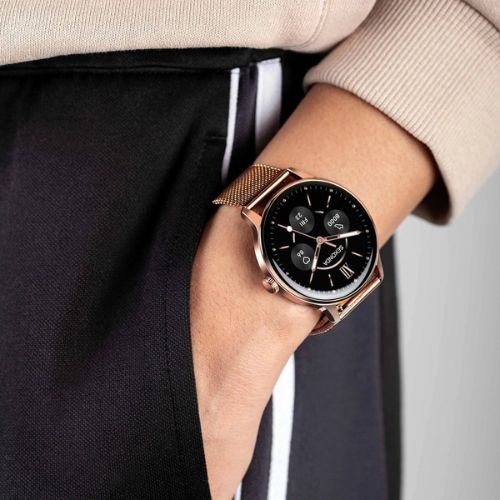
Featured watch – Sekonda Ladies Flex Plus Rose Gold Smartwatch – available at £69.95
The best value isn't necessarily the watch with the longest feature list. It's the one that offers the functionality you need at a price you're comfortable paying.
How to Choose the Right Smartwatch
If you've decided that a smartwatch could be worthwhile, the next step is finding one that suits your lifestyle.
Here are a few things to consider before making your choice.
1. Think About How You'll Use It
Start by identifying your main reason for wanting a smartwatch.
Are you interested in fitness tracking, everyday notifications, outdoor activities or simply having a more connected watch?
Your answer will help narrow down the features worth prioritising.
For example, runners might benefit from GPS and workout tracking, while someone looking for everyday convenience may prefer a simpler model with notifications and activity monitoring.
2. Check Smartphone Compatibility
Always check whether the smartwatch works with your smartphone.
Some devices offer full functionality only when paired with certain operating systems, while others have more limited compatibility.
Checking this before buying can help avoid disappointment later.
3. Consider Battery Life
Think about how often you're comfortable charging your watch.
If you want to monitor sleep as well as daytime activity, battery life becomes particularly important because you'll need to wear it overnight too.
Check the manufacturer's estimated battery life and remember that actual performance depends on how you use the device.
4. Choose a Comfortable Design
A smartwatch should feel comfortable enough to wear throughout the day.
Consider its weight, case size, strap material and display. If you intend to wear it during exercise and while sleeping, comfort is particularly important.
It's also worth thinking about whether you prefer a sporty digital design or something that looks closer to a traditional wristwatch.
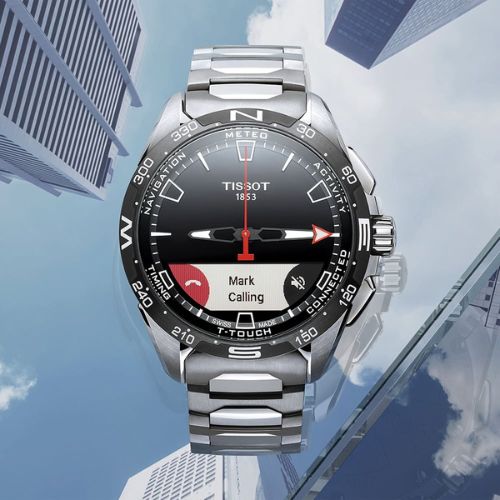
Featured watch – Tissot T-Touch Connect Solar Black Dial Titanium Bracelet Smartwatch
Brands such as Tissot, Alpina and Kronaby are worth exploring if you appreciate the connection between traditional watch aesthetics and modern technology.
5. Don't Pay for Features You Won't Use
It's easy to be drawn towards the most advanced model, but more features don't necessarily mean a better purchase.
If you rarely exercise outdoors, for example, advanced navigation and specialist sports metrics may not justify the extra expense.
Make a list of your essential features and use these to compare your options.
Are Smartwatches Worth It for Everyone?
Not necessarily. While smartwatches can be useful for a wide range of people, their value depends on individual habits and expectations.
· For fitness enthusiasts: They can offer useful workout tracking, activity records and performance insights.
· For busy professionals: Notifications, reminders and quick access to information can make everyday tasks more convenient.
· For people interested in wellness: Activity and sleep tracking can encourage greater awareness of everyday habits, although the readings shouldn't be treated as medical assessments.
· For traditional watch enthusiasts: A hybrid smartwatch may offer an appealing middle ground, combining a familiar watch design with selected connected features.
So, Are Smartwatches Worth the Investment?
For many people, yes. A smartwatch can be a worthwhile purchase if you make regular use of its features, whether that's monitoring daily activity, tracking workouts, checking notifications or understanding your sleep habits.
However, they're not essential for everyone. If you don't need connected features or fitness tracking, a traditional watch may be all you need.
The important thing is to think about what you want from your watch before deciding how much to spend. A well-chosen smartwatch should complement your lifestyle rather than introduce features you'll rarely use.
If you're ready to explore your options, take a look at the smartwatch collection at House of Watches. With brands including Garmin, Casio, Tissot, Alpina and Sekonda, there are different styles and approaches to connected timekeeping worth discovering.
Explore the Smartwatch Collection at House of Watches
Frequently Asked Questions
Are smartwatches worth the money?
Smartwatches can be worth the money if you regularly use their fitness tracking, notifications, health-related measurements and other everyday features. The value depends on your requirements and how much functionality you need.
Are smartwatches worth it if I mainly want fitness tracking?
Yes. Many smartwatches offer activity monitoring, workout modes, heart rate tracking and GPS functionality. However, if you only need basic activity tracking, a dedicated fitness tracker may be a more affordable alternative.
How accurate are smartwatches for health monitoring?
Smartwatches can provide useful estimates of measurements such as heart rate and activity levels, but accuracy varies between devices and conditions. They shouldn't be relied upon to diagnose medical conditions.
Can a smartwatch replace a fitness tracker?
In many cases, yes. Smartwatches often include similar activity and fitness tracking features alongside additional connected functionality. However, some dedicated fitness trackers offer longer battery life and simpler designs.
Are smartwatches worth it for tracking sleep and recovery?
They can be useful for understanding sleep duration, movement and general patterns over time. However, sleep-stage and recovery measurements are estimates, not clinical assessments.