Are Automatic Watches Worth Buying? Your Guide to Automatic Timepieces
The Craftsmanship Behind an Automatic Watch
There's something special about an automatic watch. Rather than relying on a traditional battery, an automatic timepiece uses the movement of your wrist to help power its mechanical mechanism. Behind the dial is a carefully engineered system of components working together to keep the watch running, making the mechanics an important part of its appeal.
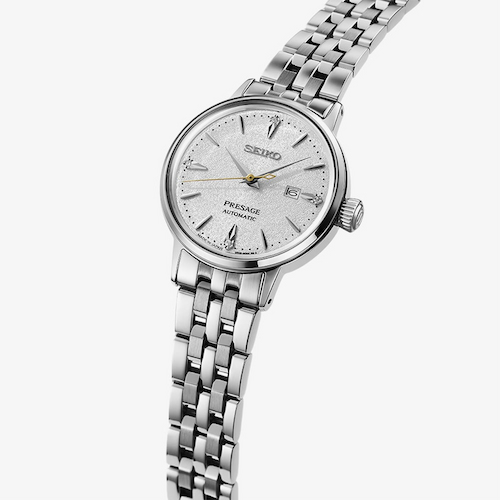
For many watch enthusiasts, that is exactly what makes an automatic watch so enjoyable. It combines everyday functionality with traditional watchmaking, offering a closer connection to the craftsmanship behind the timepiece.
What Is an Automatic Watch & How Does It Work?
An automatic watch is a type of mechanical watch that winds itself as you wear it. Inside the movement is a rotating weight, known as a rotor, which responds to the natural movement of your wrist. As the rotor turns, it transfers energy to the mainspring, which stores the power needed to run the watch.
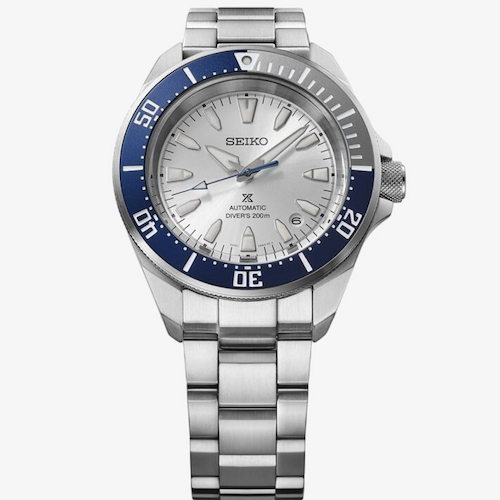
That stored energy is gradually released through the movement to power the hands and any additional complications. Once fully wound, an automatic watch will continue running for a set period even when it isn't being worn. This is known as its power reserve, which varies depending on the movement and model. Many automatic watches offer around 36 to 48 hours, while some modern movements provide significantly longer reserves.
If the watch eventually stops after being left unworn, many automatic models can also be manually wound using the crown, allowing you to restart the movement before wearing it again.
Inside the Movement: What Makes an Automatic Watch Tick?
Behind the dial of an automatic watch is a precisely engineered mechanical movement made up of numerous tiny components working together. Alongside the rotor and mainspring, the movement contains gears, jewels and an escapement mechanism, each playing an important role in regulating the release of energy and keeping the watch running.
The balance wheel and hairspring are particularly important, oscillating back and forth to regulate the movement, while the escapement controls how energy is released from the mainspring. It is this carefully coordinated interaction between the components that allows an automatic watch to keep time without relying on a battery.
On watches with an exhibition case back, you can see elements of this intricate mechanism in action, making the movement itself part of the watch's appeal.
The Benefits of an Automatic Watch
A Mechanical Alternative to Quartz
Automatic watches are powered by a mechanical movement and mainspring, with wrist movement helping to keep the mechanism wound. For those who appreciate traditional watchmaking, this offers a different experience from a battery-powered quartz watch.
Mechanical Craftsmanship
An automatic watch showcases the intricate engineering behind mechanical watchmaking. On models with an exhibition case back, you may even be able to see elements of the movement working beneath the dial, adding another layer of interest to the timepiece.
Built to Last
With proper care and servicing, a quality mechanical watch can provide many years of reliable wear and may even be passed down through generations. This combination of durability, craftsmanship and longevity is a major part of the appeal.
A Useful Power Reserve
A watch's power reserve determines how long it can continue running once fully wound and removed from the wrist. A longer reserve can be particularly useful for anyone who rotates between several watches, with some modern movements offering around three days or more.
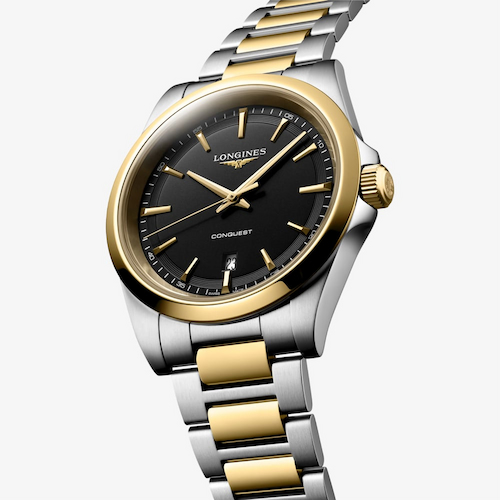
Beyond the practical benefits, there's also something satisfying about wearing a watch that is powered, in part, by your own movement. For many enthusiasts, that connection gives an automatic timepiece its character.
Automatic vs Quartz: Which Should You Choose?
The choice between automatic and quartz largely comes down to what you value most in a watch.
Choose automatic if you appreciate: mechanical craftsmanship, traditional watchmaking and the experience of wearing a self-winding movement.
Choose quartz if you prioritise: convenience, high accuracy and straightforward everyday use.
Quartz movements are generally more accurate than mechanical movements, while automatic watches appeal to those who enjoy the engineering and heritage behind traditional timekeeping.
Neither is inherently better — they simply offer different benefits for different lifestyles.
How to Care for an Automatic Watch
Automatic watches are designed to be worn and enjoyed, but a little care can help keep the movement performing at its best. Avoid exposing the watch to unnecessary impacts, extreme temperatures or magnetic fields, and always follow the manufacturer's guidance for water resistance and servicing.
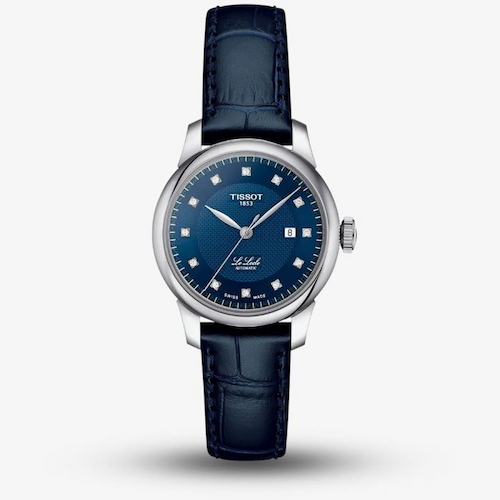
If you don't wear your automatic watch regularly, a watch winder may be an option, although it isn't essential for most movements. Simply allowing the watch to stop and manually winding it when you next wear it is perfectly normal.
Regular servicing is also important for mechanical watches. Service intervals vary by manufacturer and movement, so checking the individual brand's recommendations is the best way to ensure your watch remains in good working order.
Final Thoughts
Automatic watches offer a unique combination of craftsmanship, mechanical ingenuity and everyday wearability. From the intricate movement working beneath the dial to the self-winding rotor that harnesses the motion of your wrist, every element contributes to the character of a mechanical timepiece.
Whether you're discovering automatic watches for the first time or looking to add another mechanical model to your collection, explore the automatic watch collection at House of Watches and discover timepieces that bring traditional watchmaking and everyday style together.